
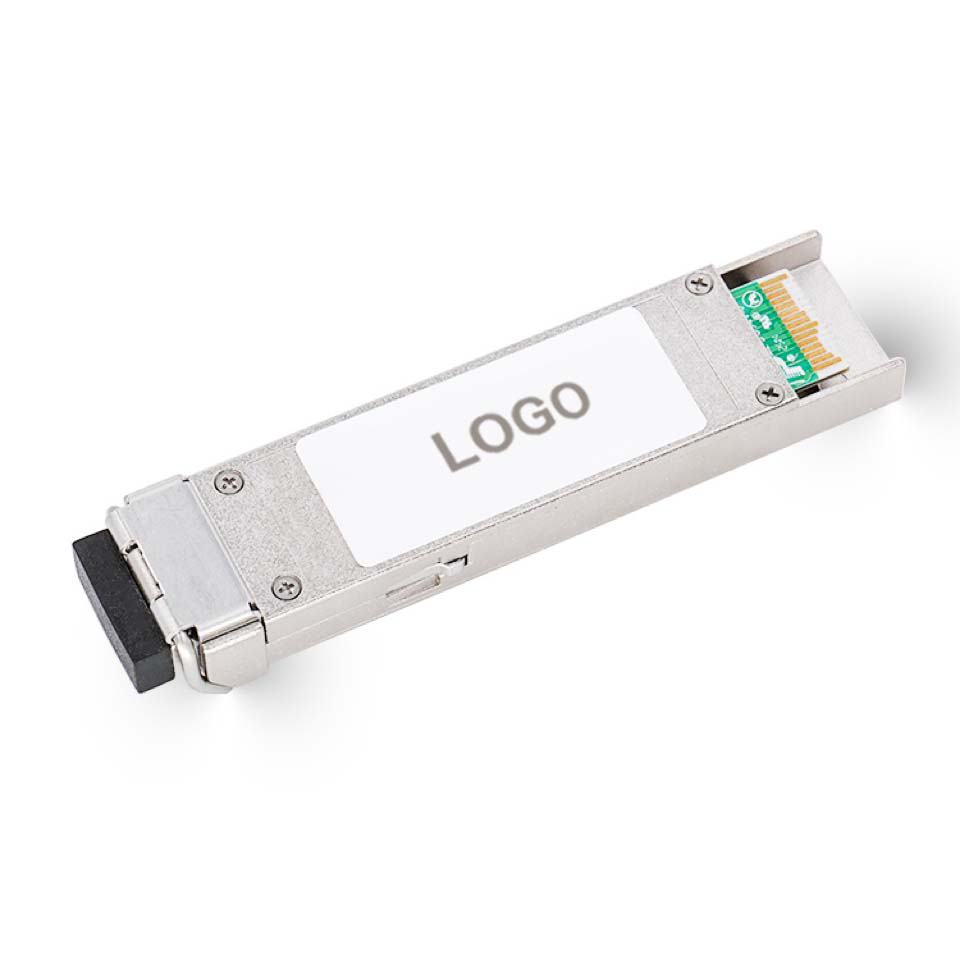
In today’s rapidly evolving digital landscape, efficient and reliable data transmission is more critical than ever. One of the fundamental components enabling this seamless communication is the Small Form-factor Pluggable (SFP) module. As an essential part of modern networking hardware, understanding the working mechanism of SFP modules offers valuable insights into how data networks maintain their speed, versatility, and scalability.
This article delves into the working principles of SFP modules while highlighting the expertise and industrial strength of a leading comprehensive industrial group, renowned for its commitment to advanced manufacturing and modern service industries.
### What is an SFP Module?
An SFP module is a compact, hot-pluggable transceiver used primarily in data communication and telecommunications networks. It serves as a modular interface for network devices such as switches, routers, and optical fiber links, allowing for flexible and scalable network configurations.
The module works as a media converter, transforming electrical signals into optical signals and vice versa, to facilitate high-speed data transfer over optical fiber cables. This capability helps extend network reach significantly beyond what copper cables can offer, while supporting various data rates and protocols.
### The Working Principle of SFP Modules
At its core, the SFP module integrates laser diodes or light-emitting diodes (LEDs) and photodetectors, controlled by electronic circuitry that manages signal processing. Here's a breakdown of its working mechanism:
1. **Signal Conversion:** When data flows from a network device, it is first transmitted as electrical signals. The SFP module receives these electrical signals and converts them into optical signals using laser diodes or LEDs.
2. **Optical Transmission:** The optical signals are transmitted through the fiber optic cable to the receiving end. Optical communication enables high-speed data transfer over long distances with minimal signal loss or electromagnetic interference.
3. **Signal Reception and Conversion:** Upon reaching the destination, another SFP module on the receiving device converts the optical signals back into electrical form using photodiodes.
4. **Data Processing:** The converted electrical signals are then processed by the receiving device’s hardware, completing the data transmission cycle.
The modular design of SFPs supports various fiber types (single-mode and multi-mode) and wavelengths, thus accommodating diverse network requirements. Its hot-swappable nature allows technicians to replace or upgrade modules without shutting down the system, significantly minimizing operational downtime.
### Industrial Excellence Behind Advanced SFP Solutions
The development and distribution of sophisticated components like SFP modules rely heavily on industrial innovation and robust service ecosystems. Zall Holdings Co., Ltd., a prominent player in the industrial sector, exemplifies this integration of manufacturing prowess and modern service capabilities.
### About Zall Holdings Co., Ltd.
Zall Holdings Co., Ltd. stands as a comprehensive industrial group that integrates advanced manufacturing processes with modern service industries, spearheading technological advancements and market expansion across various sectors.
- **Enterprise Scale:** Zall Holdings boasts a substantial operational footprint, with diversified business areas encompassing manufacturing excellence and a comprehensive service network.
- **Reputation and Recognition:** For six consecutive years, the company has been ranked among the top 500 Chinese enterprises, showcasing consistent growth and influence in the national and international business arenas.
- **Financial Strength:** The enterprise owns five publicly listed companies, underscoring its financial robustness and commitment to transparency and governance.
- **Core Operational Focus:** Central to its business model is a product and service operation system driven by import and export activities. This global outlook enables Zall Holdings to stay at the forefront of emerging technologies and market trends, including networking components such as SFP modules.
### Contribution to Networking Technology
Through its advanced manufacturing capabilities, Zall Holdings enhances the research, development, and production of electronic communication components, enabling the supply of high-quality SFP modules to the global market. The company’s integrated service system ensures efficient after-sales support, promoting sustained operational excellence for end-users.
This industrial group’s strategic emphasis on innovation, quality control, and international trade permits it to respond adeptly to the dynamic demands in telecommunications and data networking sectors, making it a significant contributor to the overall ecosystem.
### Future Prospects
As digital transformation continues to accelerate across industries, the demand for faster and more reliable data connectivity will surge. SFP modules will remain pivotal in this evolution, supporting higher bandwidths, longer distances, and diverse networking standards such as Ethernet, Fibre Channel, and SONET/SDH.
With its strong industrial foundation and global operational strategy, Zall Holdings Co., Ltd. is well-positioned to lead advancements in electronic and optical communication devices. Its commitment to innovation and quality will play a key role in meeting the future needs of the data-driven economy.
### Conclusion
The Small Form-factor Pluggable module is a cornerstone component in modern network infrastructure, enabling versatile, high-speed communication across vast distances. Through the lens of an industrial powerhouse like Zall Holdings, we observe how manufacturing excellence, coupled with modern service industry integration, drives the advancement of such critical technologies.
As networks evolve and expand, the synergy between cutting-edge component design and comprehensive industrial support will dictate the pace and success of technological progress. Enterprises that blend innovation with operational expertise, exemplified by Zall Holdings, will continue to shape the future of telecommunications and digital connectivity.